Posted: 14th October 2026 | Back to news feed

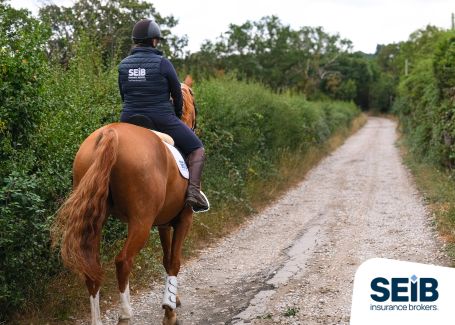
As summer comes to an end, autumn is an ideal time to take a fresh look at the yard and prepare for the changing conditions that winter will bring. Shorter days, wetter weather, falling leaves, muddy gateways and changing turnout routines can all introduce new challenges, while areas that have been working well throughout the summer may need attention before they become a problem.
In this article SEIB Insurance Broker’s Livery Yard Insurance team run through an autumn checklist of yard maintenance, giving practical advise on how to ensure your facility stays safe, functional, and ready for the demands of the winter months.
Paddocks and turnout areas
Before moving horses onto new fields or changing turnout arrangements, take the opportunity to walk the boundaries and inspect fencing carefully. Look for broken rails, loose posts, damaged electric fencing or fixings, protruding wire and areas where hedging or vegetation may have affected the integrity of the boundary. Gates should open and close properly, with secure fastenings that are easy to operate in wet or muddy conditions.
Pay particular attention to gateways and high-traffic areas. These can quickly become muddy, or surfaces deteriorate as autumn progresses, increasing the risk of slips and falls for both horses and people.
If fields are being rested over the winter or horses are moving onto different areas, check that the new turnout areas are suitable before horses are introduced. Walk the entire field rather than simply checking the perimeter. Look for holes, fallen branches, debris, damaged water troughs, lost shoes and anything else that could present a hazard.
Check pathways and access routes
Wet weather can quickly expose problems with yard surfaces. Walk the main routes used by horses, vehicles and people and look for potholes, loose or uneven surfaces, standing water and slippery areas. Pay particular attention to routes between the yard, fields, arenas and storage areas.
Paths should remain sufficiently clear and wide for their intended use, with vegetation cut back where necessary. Autumn leaves, mud and wet surfaces can also create slip hazards, so regular sweeping and maintenance may become more important as the season progresses.
Don’t forget vehicle access. Delivery vehicles, feed merchants and emergency services may need to reach the yard throughout the winter, so access routes should remain clear, safe and usable in poor weather.
Preparing the Stables
If horses are moving from a predominantly outdoor routine to spending more time stabled, autumn is the ideal time to inspect the stable block thoroughly. Check doors, bolts, hinges, partitions, grills and stable fittings for damage or wear. Look for sharp edges, protruding fixings or anything that could cause injury. This is also a good opportunity to check lighting, electrical equipment and ventilation.
If rubber matting is used, consider lifting it as part of the autumn clean. Mats can harbour moisture, dirt and organic material underneath, particularly if they haven’t been lifted since the previous winter. Cleaning and disinfecting the underlying floor before replacing the mats can help keep the stable cleaner and reduce unpleasant smells. Walls and stable doors can also benefit from a thorough wash-down and disinfection treatment, and even maybe a new lick of paint.
Storage areas: Make room for winter
Autumn is often when yards begin building up stocks of hay, straw, shavings and other bedding, making storage areas particularly important. Before deliveries arrive, assess whether there is sufficient space to store everything safely.
Hay and bedding should be stacked securely, with consideration given to the height and stability of stacks. Storage arrangements should allow people to move safely around them and provide sufficient access for removing supplies without creating a risk of falling materials.
Ventilation is also important, particularly for stored hay and bedding. Storage areas need to be appropriate for the materials being kept there, with attention paid to moisture, condensation and fire safety.
Try to avoid creating narrow walkways or blocking doors, electrical equipment, fire safety equipment or emergency exits with winter supplies. A little organisation before the main deliveries arrive can make the yard considerably safer and easier to manage throughout the winter.
Give the tack room some attention
Tack rooms can become overlooked during the busy summer months, making autumn a good time for a thorough clean and clear-out. Remove unnecessary items, clean shelves and cupboards, and check corners and less accessible areas for signs of rodents.
Damp is another potential problem. Check the condition of doors and windows, including seals and frames, to reduce unnecessary draughts and moisture entering the room. Good ventilation is important, but uncontrolled damp can contribute to mould and can damage leather tack and other equipment. Keeping tack rooms clean, dry and well organised makes it easier to spot problems early.
Riding facilities
A change in weather may mean some facilities are used more or less over the autumn and winter period. If cross-country courses, jumping paddocks or grass riding fields are being closed, remove and safely store portable jumps, poles, fillers and other equipment so they aren’t damaged by winter weather or left creating hazards.
For facilities likely to see increased use, such as indoor or outdoor arenas and horse walkers, carry out a thorough check before winter. Inspect surfaces, fencing, gates, lighting and equipment, and arrange any necessary maintenance before demand increases.
Check your signage and emergency equipment
Autumn is also a good time to review the information displayed around the yard. Replace signs that have become faded, damaged or difficult to read. Check that important information is still accurate, including emergency contacts, yard rules, and directions for visitors or emergency services.
Autumn is also a good time to carry out routine checks of emergency equipment. Check fire extinguishers, first aid kits and other emergency supplies are present, accessible, in date and ready for use. It is also worth reviewing electrical equipment before winter. Consider whether items such as kettles, clippers and portable heaters require PAT testing, particularly if they will see increased use over the colder months.
With darker mornings and evenings, check the yard’s lighting too. Replace any failed bulbs and make sure stables, walkways, entrances and other working areas are adequately lit throughout the winter. Clear identification of entrances, exits, storage areas, first aid equipment, fire equipment and other important facilities can be particularly useful for visitors and new members of staff.
Review seasonal risks
Finally, don’t forget that changing from summer to winter routines can introduce new risks.
Autumn is therefore a useful point to review existing procedures and consider whether seasonal changes require any updates to your risk assessments or working practices.
The best preparation is often the work that happens before winter arrives. Taking time in autumn to inspect, clean, repair, organise and review the yard can help identify small problems before they become bigger ones.
A safe winter yard starts with good autumn preparation — and a few hours spent getting the basics right now can make the coming months safer, cleaner and considerably easier to manage.
If you own a livery yard, keep it safe with valued protection from SEIB. Call them to get a Livery Yard Insurance quote on 01708 850 000 or email info@seib.co.uk to find out more.
About SEIB
SEIB Insurance Brokers have been providing insurance for Horses for over 60 years. We provide a flexible range of policies to suit your needs from Horsebox Insurance and Horse Trailer Insurance too. Our experienced team of horse owners can help provide you with advice on what cover you might need.
The Equestrian Index newsfeed is compiled from articles submitted by advertising members and expresses the opinions of those members. Contributors are responsible for ensuring they have the necessary rights and permissions for all content, including text and images. Watsons Directories Ltd shall not be held liable for any inaccuracies, mis-statements, or copyright infringement therein.