Posted: 14th October 2026 | Back to news feed

The Growing Role of Treadmills in Equine Performance and Rehabilitation
A growing role in horse management
Equine treadmills have moved from a niche rehabilitation tool to a mainstream fixture in professional yards. Where they were once associated almost exclusively with veterinary recovery, more trainers, breeders, and yard managers are now incorporating them into everyday conditioning and training programmes. The shift reflects a broader move towards measurable, repeatable methods of managing a horse's workload, rather than relying solely on ridden exercise and variable outdoor conditions.
Supporting performance and conditioning
A key advantage of modern treadmills is the level of control they offer over a session. Speed, incline, duration and distance can all be adjusted precisely and repeated consistently from one session to the next. This allows professionals to build structured exercise plans tailored to an individual horse's fitness level, discipline, and stage of training, rather than estimating effort through variable terrain or rider feel alone. Over time, this precision makes it easier to track progress and adjust a programme with confidence.
Applications in rehabilitation
Controlled, low-impact exercise is particularly valuable in rehabilitation settings. Veterinary and rehab facilities use treadmills to support recovery from a range of conditions, where movement needs to be carefully managed rather than left to chance. The ability to fine-tune incline and speed means exercise can be scaled gradually as a horse progresses, supporting a safer and more consistent return to work than less controlled alternatives.
Benefits for the wider operation
Beyond individual sessions, treadmills offer practical advantages for the yard as a whole. Exercise isn't weather dependent, sessions can run year-round regardless of ground conditions, and routines stay consistent whatever the season. For busy yards, this also means a more efficient use of staff time, and the option to exercise horses without adding to their ridden workload, useful for younger horses, those in recovery, or simply when managing a full training schedule.
Not all treadmills are the same
For anyone considering investing in one, it's worth knowing that treadmills vary considerably in specification and quality. Speed and incline range, belt length, and surface technology all affect how suitable a machine is for different disciplines and horse sizes. Safety features, noise levels, and ease of installation are also worth checking early, since retrofitting a yard for a poorly suited machine can be costly. Running costs and servicing requirements differ between models too, and long-term supplier support matters just as much as the initial purchase, a treadmill is a long-term piece of equipment, and having a responsive supplier on hand for maintenance and advice makes a real difference over its working life.
See the technology in practice
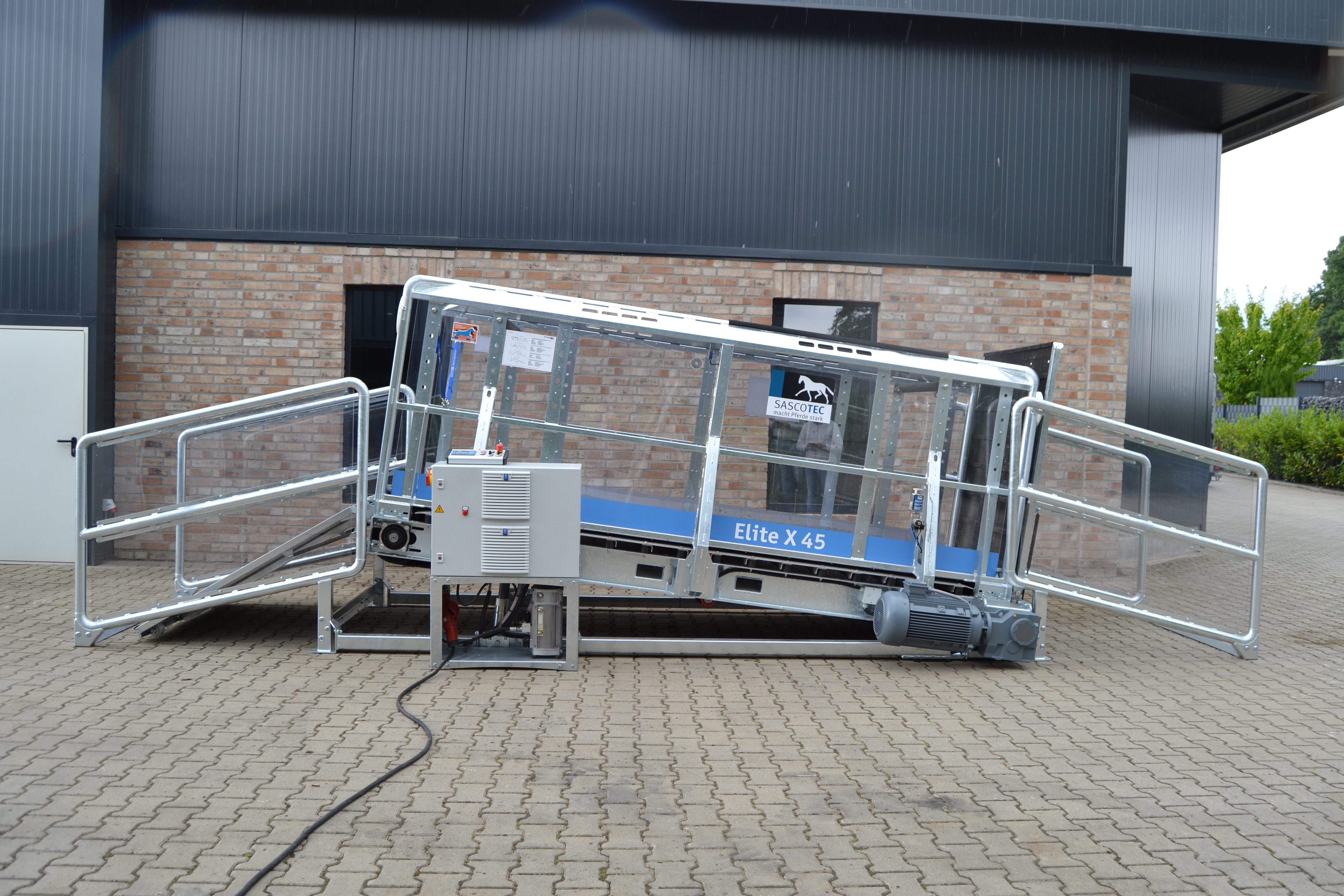
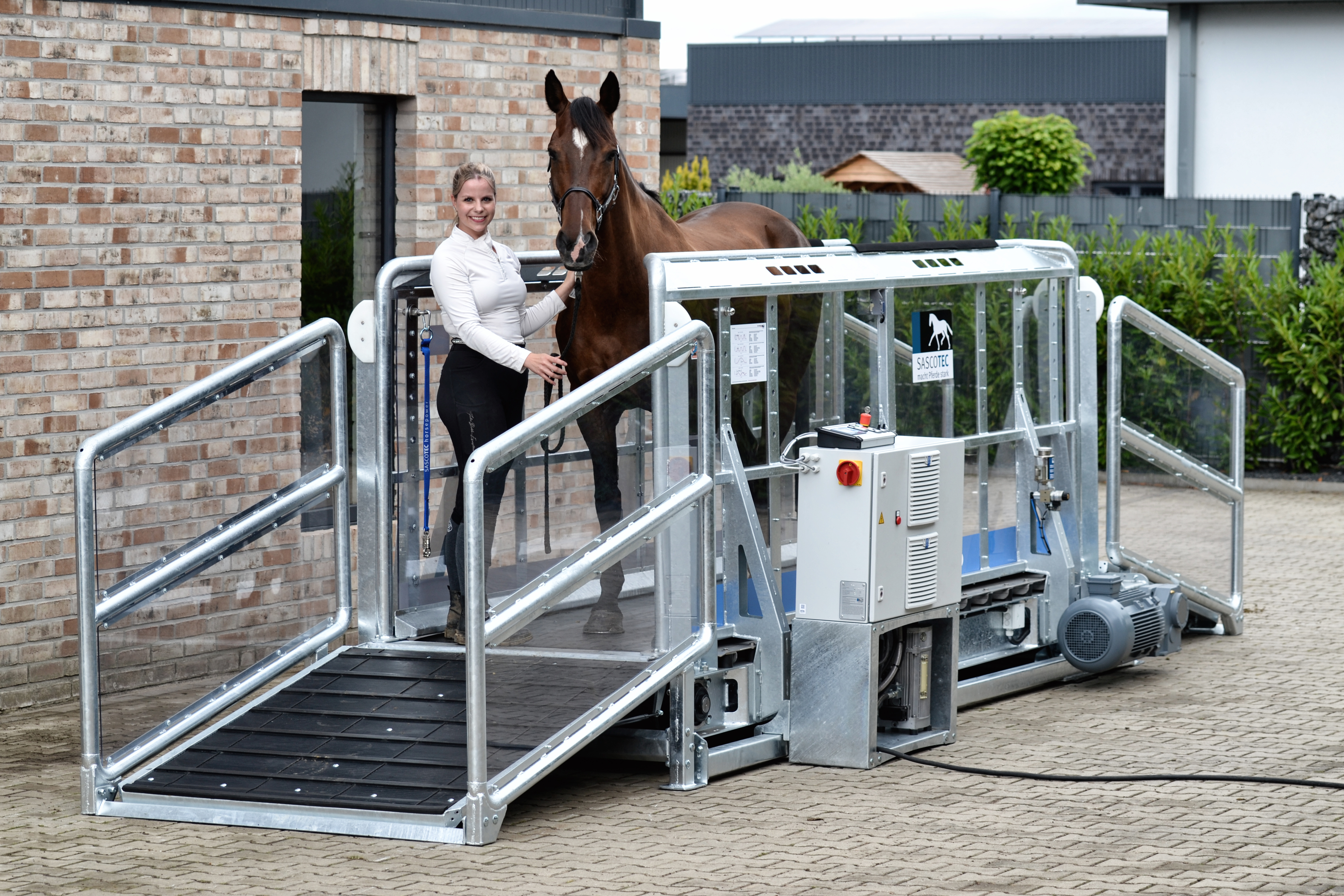
Recognising the increasing interest in and benefits of using treadmills, Jelka has become the UK distributor for Sascotec treadmills, innovative German-designed treadmills and aqua-treadmills.One example of this next generation of treadmill technology is the Sascotec Elite X45, which will be on show at Jelka Equine Innovation Live at The National Stud, Newmarket, from 26-28 October 2026. Visitors will be able to see the machine in action and speak directly with both the Jelka and Sascotec teams about its application for their own yard.
Register to attend: https://bit.ly/4z4Yxwh
The Equestrian Index newsfeed is compiled from articles submitted by advertising members and expresses the opinions of those members. Contributors are responsible for ensuring they have the necessary rights and permissions for all content, including text and images. Watsons Directories Ltd shall not be held liable for any inaccuracies, mis-statements, or copyright infringement therein.