Posted: 7th May 2026 | Back to news feed

UK Horse Owners Under Pressure as Hay Prices Rise and Supply Tightens
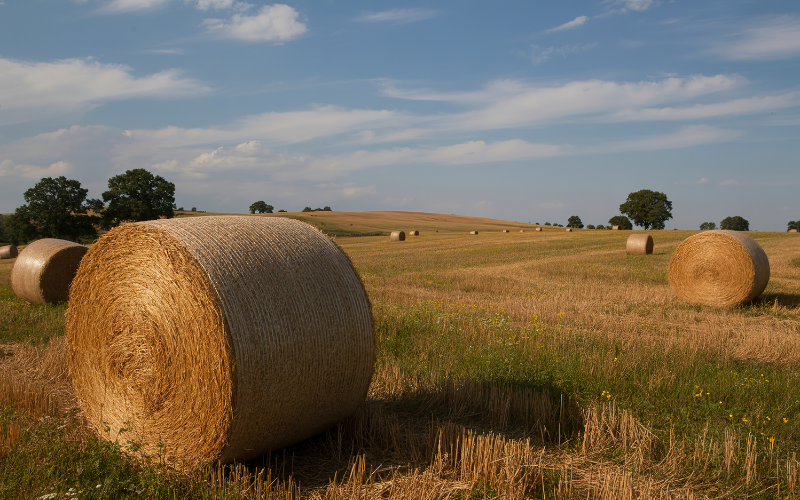
Following the Hay Availability Survey run by Animalweb in March, and the recent Forage Forum held last week, we wanted to share key insights with horse owners across the UK. We hope this information helps provide clarity and practical guidance during what has been a challenging season.
The winter of 2025/26 proved difficult for many, with sourcing good-quality hay at a reasonable price becoming a widespread concern. Animalweb’s survey, which gathered over 2,100 responses nationwide, offers one of the clearest snapshots of the current situation.
Supply, Cost and Quality Challenges - What the Survey Told Us
While some owners reported relatively normal conditions, the majority experienced rising prices, reduced availability, and declining quality. These issues have been widely linked to the hot, dry summer of 2025, which significantly impacted grass growth and hay production.
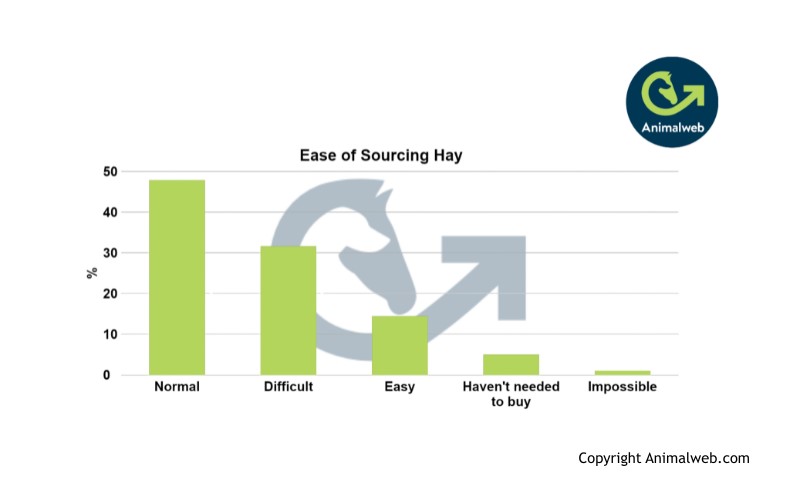
Many respondents found hay harder to source than in previous years, with some describing availability as “difficult” or even “impossible”. In some cases, suppliers ran out of stock mid-season or prioritised long-standing customers, leaving others struggling to secure supply. Imported hay became more common, although quality and consistency varied.
Quality was another key concern. Over a third of respondents reported poorer hay compared to previous years, with common issues including dustiness, lower nutritional value, and mould. Some owners also reported increased wastage, with horses refusing less palatable forage.
Prices Climb Across All Bale Types
Average prices recorded in the survey were £6.85 for small bales, £54.84 for large round bales, and £69.39 for large square bales. However, many owners reported paying significantly more, particularly later in the winter when supplies were tight. Sharp price increases were often linked directly to availability, with scarcity driving costs upwards regardless of quality.
Adapting to the Situation
As a result, many owners have turned to alternative forage sources, including haylage, straw, alfalfa, and fibre-based feeds. Others increased turnout, or used soaking and steaming methods to improve palatability and reduce dust.
One of the strongest themes to emerge was the importance of long-term supplier relationships. Owners with established connections were more likely to secure consistent supply and stable pricing, while those sourcing hay on an ad hoc basis often faced higher costs or limited access.
Planning Ahead is Key
The findings highlight the importance of forward planning. Buying hay earlier in the season, securing reliable suppliers, and introducing alternative forages gradually can all help reduce risk. Managing storage effectively and making slow dietary transitions remain essential for maintaining horse health.
Looking Ahead to 2026
Early indicators for the 2026 season are more encouraging. Grass growth is currently in line with recent averages, and forage quality is reported to be good in many areas. However, regional variation remains significant, and weather conditions during the main hay-making period will be critical.
While there is cautious optimism for improved supply, the survey clearly shows that availability remains the key driver of both price and quality. Any disruption to the 2026 harvest could see similar pressures return.
Following the Hay Availability Survey and our recent Forage Forum, we wanted to share these insights to help horse owners better understand the current landscape and plan ahead with confidence.
Follow Animalweb for the latest updates, investigations, and expert-led insights to help you make informed decisions for your horses.
The Equestrian Index newsfeed is compiled from articles submitted by advertising members and expresses the opinions of those members. Contributors are responsible for ensuring they have the necessary rights and permissions for all content, including text and images. Watsons Directories Ltd shall not be held liable for any inaccuracies, mis-statements, or copyright infringement therein.